
When a dentist recommends a crown, many patients wonder: “Do I really need to cover the entire tooth?” It is a reasonable question, especially if the tooth is not hurting.
A dental crown is usually recommended because the tooth has lost enough strength that a filling, bonding, or another smaller restoration may no longer protect it predictably. A crown acts like a protective helmet around the tooth, helping hold the remaining structure together while restoring its natural shape, appearance, and ability to chew.
At OC Perfect Smile in Laguna Hills, Dr. H does not recommend a crown simply because a tooth has an old filling. He evaluates how much healthy tooth structure remains, whether cracks are present, how the tooth fits within the bite, and whether a more conservative treatment could work.
The goal is not only to repair the tooth today. It is to help prevent a weakened tooth from breaking in a way that could make it impossible to save.
What Is a Dental Crown?
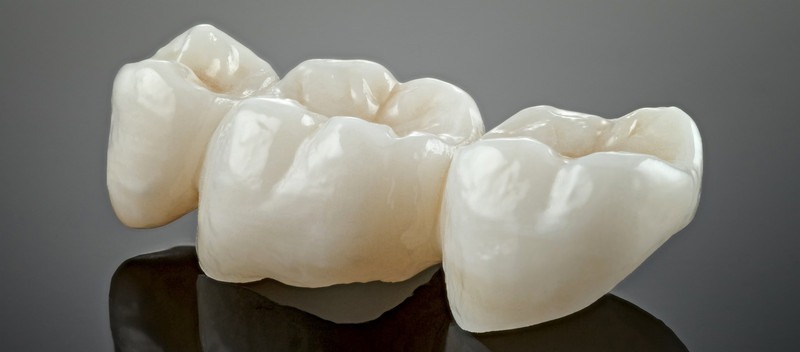
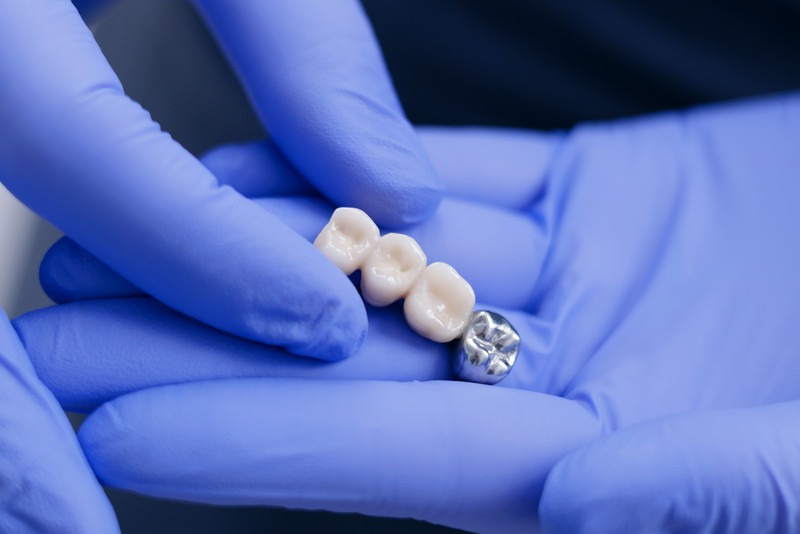
A dental crown—sometimes called a tooth cap—is a custom restoration that covers the visible portion of a damaged or weakened tooth. Unlike a filling, which repairs a specific area, a crown surrounds the tooth and helps distribute biting forces across the remaining structure.
Dental crowns may be made from:
- Zirconia
- Porcelain or ceramic
- Porcelain fused to metal
- Gold or other metal alloys
- Resin-based materials in selected situations
Modern zirconia and porcelain crowns can be designed to resemble natural enamel. The right material depends on the tooth’s location, the patient’s bite, cosmetic expectations, available tooth structure, and whether the patient grinds or clenches.
Cleveland Clinic describes a dental crown as a tooth-shaped cap used to restore a decayed, broken, weak, or worn tooth. Crowns can also be placed over dental implants.
Why Would I Need a Dental Crown?
You may need a dental crown when a tooth can no longer support normal chewing forces safely on its own.
Common reasons include:
- A large cavity
- A large or failing filling
- A cracked or fractured tooth
- A tooth weakened by root canal treatment
- Severe tooth wear from grinding
- A broken cusp
- Significant enamel loss
- A severely misshapen or discolored tooth
- Replacement of an old, damaged crown
- Restoration of a dental implant
- Support for a dental bridge
A small cavity can often be repaired with a filling. However, when a filling occupies a large part of the tooth, the surrounding walls may become thin and vulnerable. Every time you chew, those weakened walls flex slightly. Eventually, a piece of the tooth may crack or break.
A crown covers and reinforces the remaining structure so the tooth can handle pressure more evenly.
A tooth does not have to hurt to need protection. Cracks, large fillings, and structural weakness can exist without symptoms. Waiting for pain may allow a manageable problem to become a dental emergency.
How Does Dr. H Determine Whether a Crown Is Necessary?
At OC Perfect Smile, Dr. H considers several factors before recommending a crown:
- How much natural tooth structure remains
- Size and condition of existing fillings
- Location and direction of cracks
- Whether the tooth has had a root canal
- Amount of biting pressure on the tooth
- Signs of grinding or clenching
- Condition of the tooth’s nerve
- Health of the surrounding gum and bone
- Cosmetic importance of the tooth
- Whether an onlay, filling, or veneer could be appropriate instead
The bite is especially important. A well-made crown can still fail if it receives excessive or poorly directed forces. Dr. H evaluates how the upper and lower teeth contact so the restoration is designed for both appearance and function.
Is Getting a Dental Crown Painful?
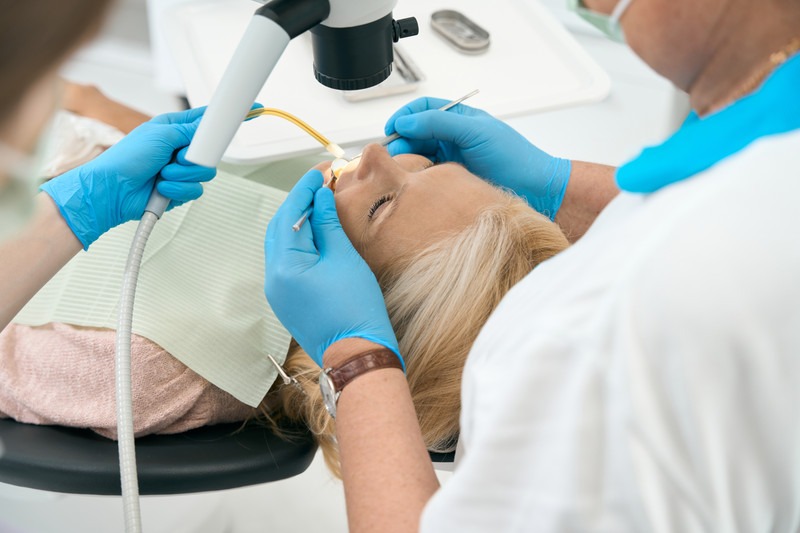
The crown procedure should not be painful because the tooth and surrounding area are numbed with local anesthesia.
You may feel pressure, vibration, or water during preparation, but you should not feel sharp pain. If a tooth is extremely inflamed or infected, achieving complete numbness can sometimes be more challenging. Dr. H will evaluate the tooth and make sure you are comfortable before proceeding.
After the anesthetic wears off, the gum may feel tender, and the tooth may experience temporary sensitivity to temperature or pressure. This usually improves as the tissues settle.
Sensitivity may be more noticeable when:
- The tooth was deeply decayed
- The cavity was close to the nerve
- A large amount of old filling material was removed
- The gum was irritated during treatment
- The bite is slightly high
- The tooth was already sensitive before treatment
Persistent throbbing, swelling, severe pain, pain that wakes you at night, or discomfort that becomes worse should be reported. A crown that feels too high when you bite may need a simple adjustment.
How Long Does a Dental Crown Last?
A dental crown often lasts approximately 10 to 15 years, although many crowns last considerably longer with proper care. Others may require replacement sooner because of decay, fracture, gum recession, grinding, trauma, or changes in the supporting tooth.
The lifespan of a crown depends on:
- Crown material
- Quality of the remaining tooth
- Accuracy of the crown fit
- Oral hygiene
- Gum health
- Bite forces
- Teeth grinding or clenching
- Diet and chewing habits
- Regular dental examinations
- Whether a nightguard is worn when recommended
A crown is strong, but it is not indestructible. Avoid using crowned teeth to open packages, chew ice, bite fingernails, or crack hard foods.
If you grind your teeth, a custom nightguard can help protect the crown, the opposing teeth, and the jaw joints.
Do I Need a Crown After a Root Canal?
Many teeth need a crown after root canal treatment, particularly molars and premolars. These back teeth absorb significant chewing forces and may already be weakened by a large cavity, fracture, or previous filling.
A root canal removes infected or inflamed tissue from inside the tooth, but it does not automatically strengthen the remaining tooth structure. The access opening and previous damage may leave the tooth more vulnerable to fracture.
The American Association of Endodontists advises that after root canal treatment, the patient returns to the dentist for a crown or another restoration to protect the tooth and restore function.
However, not every root-canal-treated tooth requires the same restoration. A front tooth with substantial healthy enamel may sometimes be restored with a filling or bonding. A back tooth with a large filling and missing cusps usually needs broader protection.
Dr. H evaluates:
- Which tooth was treated
- How much tooth structure remains
- Whether cracks are present
- Size of the root canal access opening
- Condition of previous restorations
- How much pressure the tooth receives
A root-canal-treated tooth should not be left with a temporary filling longer than recommended. Delaying the permanent restoration can increase the risk of leakage, reinfection, or fracture.
How Many Appointments Are Needed for a Dental Crown?
A traditional dental crown usually requires two main appointments.
First appointment: Preparing and scanning the tooth
During the first visit, Dr. H:
- Examines and numbs the tooth
- Removes decay and failing restorative material
- Builds up the tooth if additional support is needed
- Conservatively shapes the tooth for the crown
- Uses a digital scanner to capture the tooth and bite
- Selects the appropriate shade
- Places a temporary crown
The digital scan creates a detailed three-dimensional model without relying on traditional impression material in many cases. The scan helps communicate the shape, margins, bite, and surrounding teeth to the dental laboratory.
Second appointment: Placing the final crown
At the next visit, the temporary crown is removed and the final crown is evaluated for:
- Fit
- Margins
- Contact with neighboring teeth
- Bite
- Shape
- Color
- Overall appearance
Once Dr. H and the patient are satisfied, the crown is bonded or cemented into place.
Some complex cases require additional appointments. Extra visits may be needed when a tooth requires root canal treatment, crown lengthening, gum treatment, significant buildup, bite correction, or a customized cosmetic evaluation.
Can a Dental Crown Look Like My Natural Tooth?
Yes. A modern ceramic, porcelain, or zirconia crown can be designed to blend naturally with the surrounding teeth.
A natural-looking dental crown involves more than selecting a shade from a color guide. Dr. H considers:
- Overall tooth color
- Translucency
- Surface texture
- Shape and length
- Width and proportions
- Position within the smile
- Gumline
- Color of the underlying tooth
- Appearance of neighboring teeth
- The way light reflects from the tooth
A crown should not look overly white, flat, bulky, or artificial. For a front tooth, subtle details such as translucency near the edge and slight variations in color can help the restoration resemble natural enamel.
For back teeth, strength and function are major priorities, but the crown can still be made tooth-colored. Zirconia crowns are frequently selected because they can provide a useful combination of strength and appearance.
Can a Dental Crown Get a Cavity?
The crown itself cannot develop a cavity because porcelain and zirconia do not decay. However, the natural tooth underneath and along the edge of the crown can still develop decay.
A cavity may form where the crown meets the tooth if plaque and bacteria remain around the margin. This is one of the most common reasons an older crown needs replacement.
Risk factors include:
- Inadequate brushing or flossing
- Frequent sugar or acidic drinks
- Dry mouth
- Gum recession
- A leaking or poorly fitting crown
- Difficulty cleaning between teeth
- Delayed dental examinations
Because the crown covers the tooth, decay underneath it may not always be visible. Dental X-rays and regular examinations help detect problems before they become extensive.
Brush the crown as you would a natural tooth and floss carefully around both sides. Pay particular attention to the gumline, where the restoration meets the tooth.
What Should I Do if My Crown Feels Loose?
A loose dental crown should be evaluated promptly, even if it does not hurt.
A crown can become loose because:
- The cement has weakened
- Decay has developed underneath it
- The supporting tooth has fractured
- The crown has been exposed to heavy biting forces
- The tooth buildup has failed
- Sticky food pulled on the crown
- The crown or underlying tooth has worn or changed
Until you can see the dentist:
- Avoid chewing on that side
- Stay away from sticky or hard foods
- Keep the area as clean as possible
- Do not repeatedly move the crown with your tongue
- Do not use household glue
- Save the crown if it comes off
- Contact the dental office as soon as possible
If the crown comes off, the exposed tooth may be sensitive and more vulnerable to fracture. Sometimes the crown can be cleaned and recemented. In other cases, decay, a fracture, or damage to the crown may require a new restoration.
A loose crown should not be ignored because it can come off while eating or sleeping.
Can I Eat Normally With a Dental Crown?
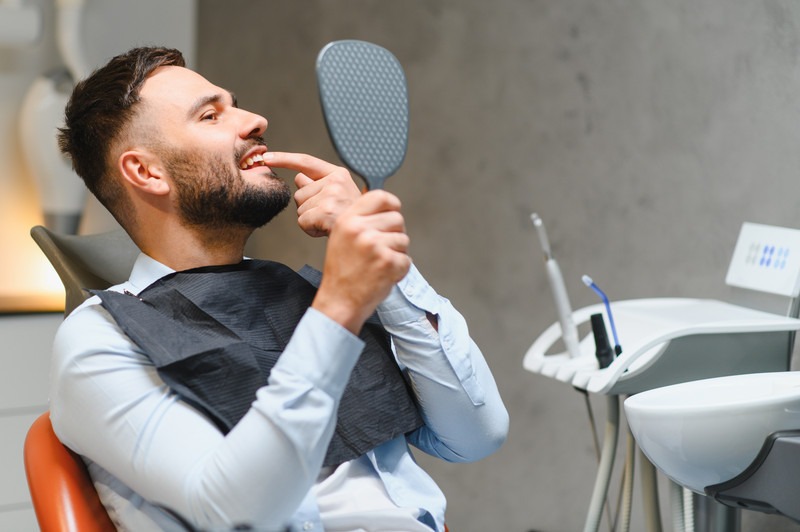
Once the permanent crown is fully secured and the numbness has worn off, you should eventually be able to eat normally.
Immediately after the crown is cemented, follow the instructions provided by Dr. H. You may be asked to wait before eating, depending on the cement used. It is also reasonable to begin with softer foods while you become accustomed to the new crown.
During the first day, consider avoiding:
- Very sticky candy
- Caramels
- Chewing gum
- Ice
- Hard nuts
- Hard crusty bread
- Foods that require forceful biting
A temporary crown requires more caution because temporary cement is intentionally weaker. Avoid sticky and very hard foods until the permanent crown is placed. When flossing around a temporary crown, you may be instructed to slide the floss out through the side instead of lifting it upward.
A permanent crown should feel comfortable when chewing. If the crowned tooth contacts before your other teeth, feels unusually high, or remains painful during biting, contact the office for an evaluation.
What Is the Difference Between a Crown and a Veneer?
Crowns and porcelain veneers can both improve the appearance of a tooth, but they have different purposes.
Dental crown
A crown covers most or all of the visible tooth. It is generally used when the tooth needs structural protection because of decay, a crack, a large filling, a root canal, or significant wear.
Porcelain veneer
A veneer is a thin porcelain shell bonded primarily to the front surface of a tooth. Veneers are generally used to improve color, shape, size, alignment, gaps, and smile symmetry when the underlying tooth is relatively healthy.
A crown may be the better choice when:
- The tooth is badly broken
- A large filling is failing
- Significant decay is present
- The tooth has had a root canal
- The tooth needs protection from fracture
A veneer may be the better choice when:
- The tooth is healthy but cosmetically unattractive
- Discoloration does not respond to whitening
- Several front teeth need improved symmetry
- A tooth is slightly small or misshapen
- The patient wants a cosmetic smile makeover
A veneer should not be used to disguise a tooth that requires the structural protection of a crown. At the same time, a healthy tooth should not automatically receive a full crown when a more conservative veneer would accomplish the cosmetic goal.
Dr. H evaluates the health, structure, bite, and appearance of the tooth before recommending either treatment.
What Types of Dental Crowns Are Available?
Different crown materials have different advantages.
Zirconia crowns
Zirconia is strong, tooth-colored, and commonly used for both front and back teeth. Modern zirconia is available in different levels of strength and translucency.
Porcelain or ceramic crowns
All-ceramic crowns can provide excellent color and translucency, making them especially useful in cosmetically important areas.
Porcelain-fused-to-metal crowns
These crowns have a metal foundation covered with porcelain. They can be strong, but an opaque or dark line may become noticeable near the gum in some cases.
Gold crowns
Gold is durable and gentle to opposing teeth. It may be useful for certain back teeth, although many patients prefer a tooth-colored restoration.
The “best dental crown material” is not the same for everyone. Dr. H considers the location of the tooth, bite strength, tooth color, space available, cosmetic expectations, and grinding habits.
How Should I Care for a Dental Crown?
A crowned tooth requires the same careful daily maintenance as your natural teeth:
- Brush twice a day with fluoride toothpaste
- Floss around the crown every day
- Clean carefully along the gumline
- Attend regular dental cleanings
- Limit frequent sugar exposure
- Address dry mouth
- Avoid chewing ice
- Wear a nightguard if recommended
- Report changes in the bite
- Do not ignore sensitivity, odor, bleeding, or looseness
A crown protects the tooth, but it does not make the tooth maintenance-free. Healthy gums and a clean crown margin are essential for long-term success.
Dental Crowns in Laguna Hills, California
If you are searching for dental crowns near me, a dentist for a broken tooth, a zirconia crown in Laguna Hills, or a crown after root canal treatment, a complete evaluation can help determine whether a crown is necessary and which material is appropriate.
At OC Perfect Smile in Laguna Hills, Dr. H combines restorative dentistry, cosmetic planning, digital scanning, and careful bite evaluation to create crowns that are designed to look natural and function comfortably.
OC Perfect Smile welcomes patients from Laguna Hills and surrounding South Orange County communities, including Mission Viejo, Laguna Woods, Aliso Viejo, Lake Forest, Laguna Niguel, Irvine, and nearby areas.
Whether you have a cracked tooth, broken filling, root-canal-treated tooth, loose crown, or worn dental restoration, early treatment may prevent further damage and help preserve your natural tooth.
Schedule an appointment with Dr. H at OC Perfect Smile in Laguna Hills to find out whether you need a dental crown and which treatment will provide the most predictable combination of protection, comfort, and natural appearance.