
Dental implants have become one of the most predictable and successful ways to replace missing teeth. In fact, modern dental implants have success rates that often exceed 95% when properly planned and maintained. However, like any medical or dental procedure, complications can occasionally occur.
One of the most common concerns patients have is, “Can dental implants fail?”
The answer is yes, although implant failure is relatively uncommon. Understanding the causes of dental implant failure and the steps that can be taken to prevent it can help patients make informed decisions about their oral health.
At OC Perfect Smile, conveniently located in South Laguna Hills near Highway 5, Dr. H utilizes advanced digital technology and treatment planning to maximize implant success and provide patients with long-lasting results.
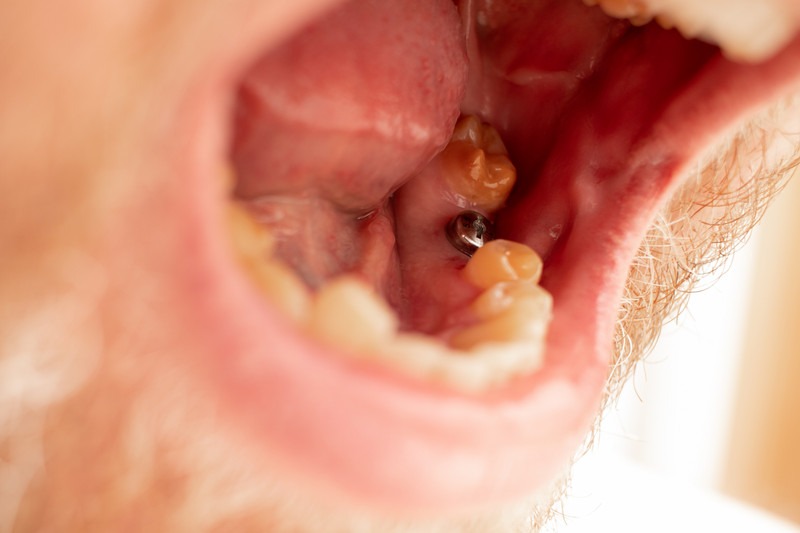
What Is Dental Implant Failure?
Dental implant failure occurs when an implant does not successfully integrate with the jawbone or loses support after it has been functioning successfully.
Implant failure can happen shortly after placement or even years later. Understanding why implants fail is the first step toward preventing complications and protecting your investment.
Patients frequently search online for information regarding dental implant failure, failed dental implants, and implant complications because they want to know how to minimize risks before treatment begins.
How Do Dental Implants Work?
A dental implant is a titanium post that is placed into the jawbone to replace a missing tooth root. Over time, the implant fuses with the surrounding bone through a natural process called osseointegration.
Once healing is complete, a custom crown is attached to the implant, creating a restoration that looks and functions like a natural tooth.
Because implants become integrated with the jawbone, they provide exceptional stability and help preserve bone levels that would otherwise shrink following tooth loss.
Common Causes of Dental Implant Failure
Infection Around the Implant
One of the most common causes of failed dental implants is infection.
An infection affecting the tissues surrounding an implant is known as peri-implantitis. This condition is similar to gum disease around natural teeth.
Symptoms may include:
- Bleeding gums
- Swelling
- Bad taste
- Bone loss around the implant
- Implant mobility
Good oral hygiene and regular professional cleanings are critical for preventing infection and maintaining implant health.
Poor Bone Quality or Insufficient Bone
Dental implants require adequate bone support.
Patients who have experienced significant bone loss from missing teeth, gum disease, or trauma may not initially have enough bone to support an implant.
Fortunately, procedures such as bone grafting can often rebuild lost bone and improve the likelihood of success.
At OC Perfect Smile, Dr. H utilizes advanced CBCT imaging to evaluate bone quality before treatment begins, helping identify potential concerns early in the process.
Smoking and Tobacco Use
Smoking remains one of the most significant risk factors associated with dental implant failure.
Tobacco use can:
- Reduce blood flow
- Delay healing
- Increase infection risk
- Impair bone integration
Patients who smoke generally experience a higher rate of implant complications compared to non-smokers.
Quitting or significantly reducing tobacco use before and after treatment can improve long-term outcomes.
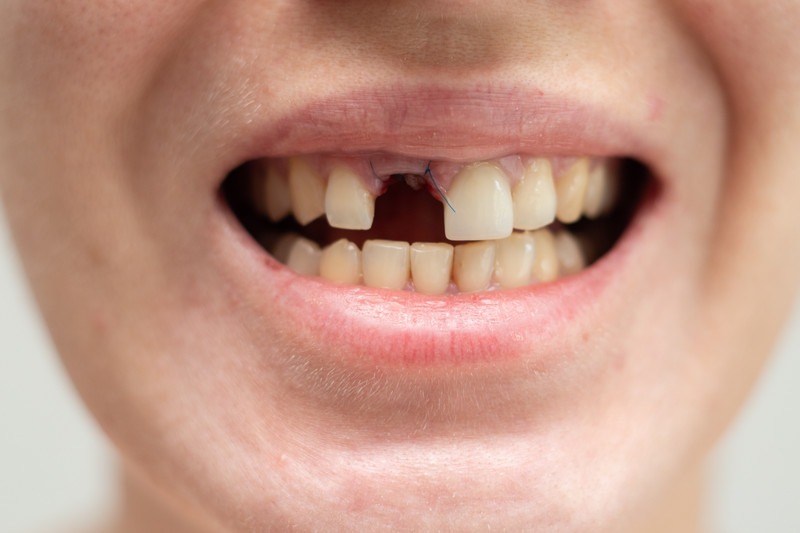
Teeth Grinding and Excessive Bite Forces
Many patients are unaware that teeth grinding, also known as bruxism, can place tremendous stress on dental implants.
Excessive bite forces may contribute to:
- Implant loosening
- Crown fractures
- Bone loss
- Implant complications
For patients who grind their teeth, Dr. H may recommend a custom night guard to protect both natural teeth and implant restorations.
Medical Conditions and Implant Success
Certain medical conditions may influence healing and implant success.
These can include:
- Uncontrolled diabetes
- Severe osteoporosis
- Autoimmune conditions
- Certain medications
This does not mean patients with these conditions cannot receive dental implants. However, proper evaluation and medical management are essential.
A thorough consultation allows the dental team to identify factors that may affect treatment and create an individualized plan.
Signs of a Failed Dental Implant
Many patients ask how they can recognize a problem early.
Potential warning signs include:
- Pain that persists after healing
- Swelling
- Gum inflammation
- Implant movement
- Difficulty chewing
- Bleeding around the implant
It is important to note that mild discomfort during the initial healing period is normal. However, persistent symptoms should be evaluated promptly.
Early intervention can often prevent more serious complications.
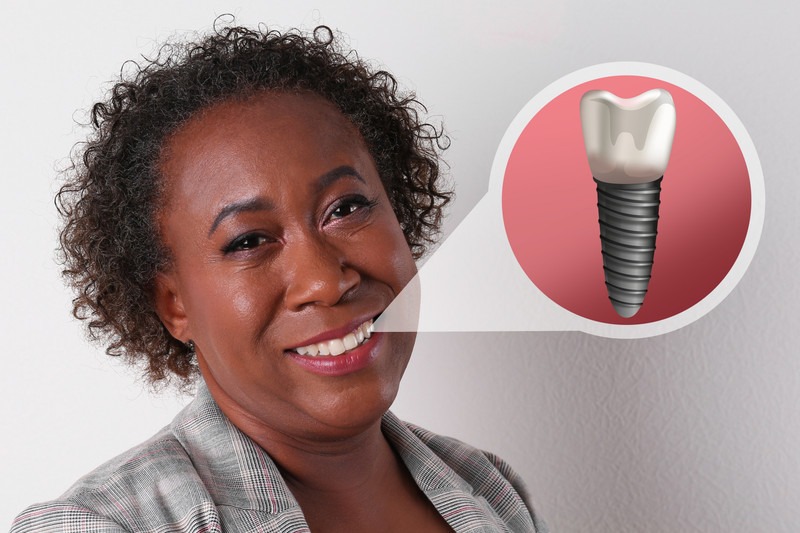
Can a Failed Dental Implant Be Replaced?
In many cases, yes.
If an implant fails, treatment options may include:
- Removing the failed implant
- Treating any infection
- Performing bone grafting if necessary
- Placing a new implant after healing
Many patients who experience a failed dental implant can still achieve successful long-term results after appropriate treatment.
The key is identifying the underlying cause and addressing it before replacement.
How Digital Dentistry Helps Prevent Implant Failure
Modern digital technology has dramatically improved implant treatment.
At OC Perfect Smile, digital planning allows Dr. H to visualize important anatomical structures and evaluate bone conditions before surgery.
Benefits include:
- Improved precision
- Better implant positioning
- Reduced surgical risks
- Enhanced treatment predictability
- Better long-term outcomes
Digital dentistry has transformed implant treatment and significantly reduced many traditional risks associated with implant placement.
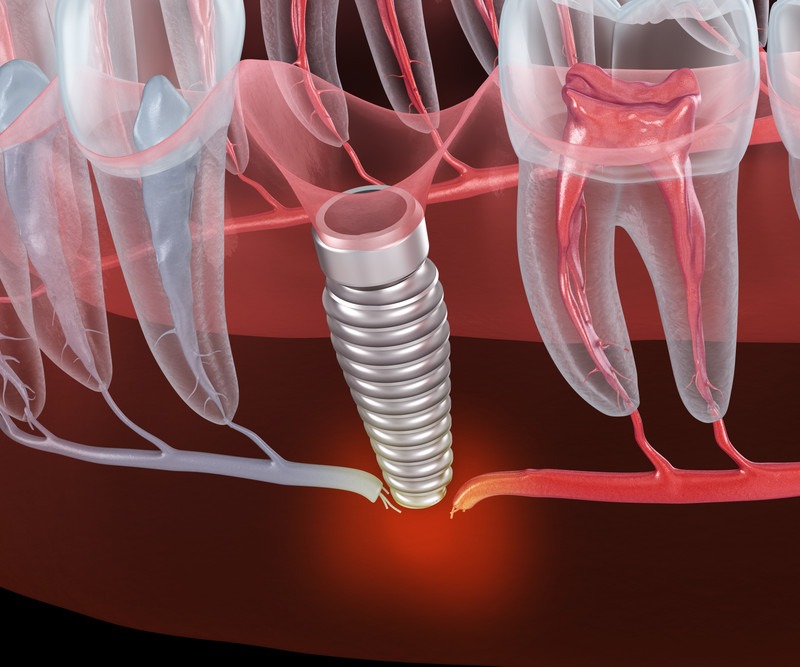
The Importance of Dental Implant Maintenance
Many people assume that because implants are artificial, they do not require maintenance.
In reality, dental implant maintenance is one of the most important factors in long-term success.
Patients should:
- Brush twice daily
- Floss regularly
- Attend routine dental visits
- Receive professional cleanings
- Avoid tobacco products
- Follow post-operative instructions carefully
Proper maintenance can help implants remain healthy and functional for decades.
Choosing the Right Implant Specialist
One of the most effective ways to reduce the risk of dental implant failure is choosing an experienced provider.
Successful implant treatment requires:
- Careful diagnosis
- Digital planning
- Surgical precision
- Long-term follow-up care
At OC Perfect Smile, patients benefit from advanced technology, personalized treatment planning, and a commitment to excellence.
Conveniently located in South Laguna Hills close to Interstate 5, our office serves patients from Laguna Hills, Laguna Hills, Laguna Hills, Laguna Woods, Irvine, Lake Forest, and surrounding communities.
Final Thoughts
Although dental implant failure can occur, it is relatively uncommon when treatment is properly planned and maintained. Understanding the causes of failed dental implants, recognizing potential implant complications, and following recommended dental implant maintenance guidelines can significantly improve long-term success.
If you are considering treatment or have concerns about a failed dental implant, Dr. H and the team at OC Perfect Smile can help evaluate your situation and discuss available solutions. With modern technology, proper care, and expert planning, dental implants continue to be one of the most reliable options for replacing missing teeth and restoring confidence in your smile.