
A brighter smile can make you feel more confident in photographs, at work, and during everyday conversations. But with so many teeth-whitening products available—from professional Zoom whitening and custom take-home trays to drugstore strips and whitening toothpaste—it can be difficult to know which treatment is worth your time and money.
Patients frequently ask Dr. H at OC Perfect Smile in Laguna Hills whether in-office teeth whitening works better than at-home whitening. The honest answer is that both options can be effective, but they work at different speeds and offer different levels of control, convenience, and whitening power.
The right choice depends on your current tooth color, the cause of the discoloration, whether you have sensitive teeth, and how quickly you want to see results.
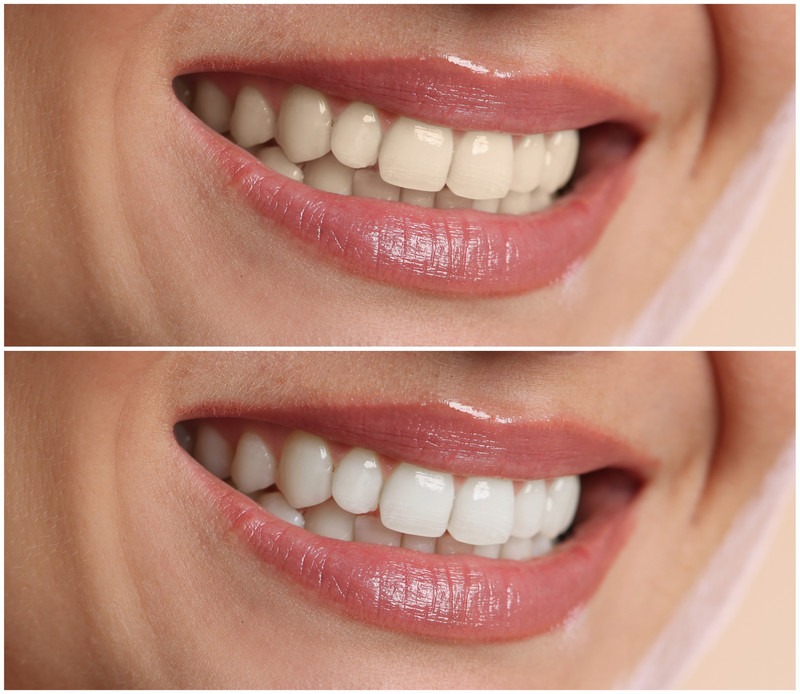
What Causes Teeth to Become Yellow or Stained?
Even healthy teeth can gradually lose their brightness. Common causes of tooth discoloration include:
- Coffee and tea
- Red wine
- Dark sodas
- Smoking or tobacco use
- Berries, tomato sauce, and other deeply colored foods
- Natural aging
- Certain medications
- Fluorosis
- Trauma to a tooth
- Plaque and tartar buildup
- Changes inside the tooth
As we age, the outer enamel can become thinner, allowing more of the naturally yellow dentin underneath to show through. This type of discoloration may not disappear with whitening toothpaste alone.
Before beginning professional teeth whitening in Laguna Hills, Dr. H examines the teeth and gums to determine what is causing the discoloration. This is important because not every type of stain responds to bleaching in the same way.
Which Whitening Option Works Faster?
Professional in-office teeth whitening is the fastest option.
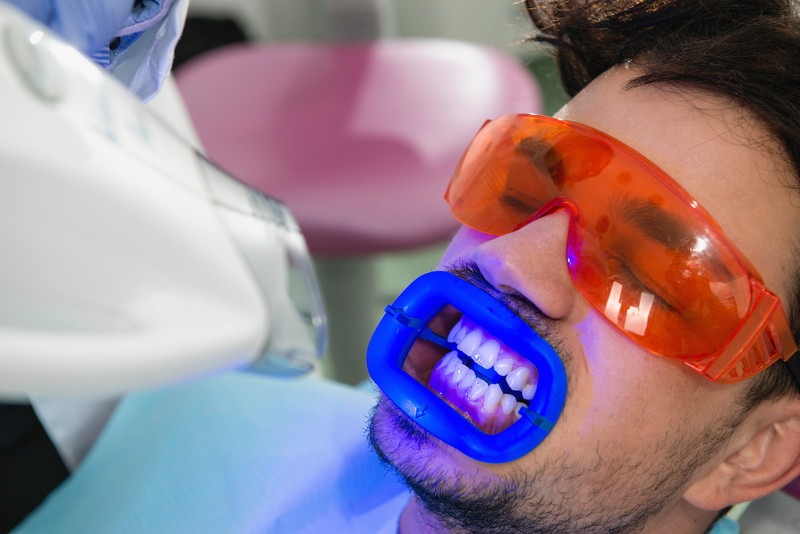
During an in-office whitening appointment, the dentist can use a professional-strength whitening gel while carefully protecting the gums and other soft tissues. Depending on the system and the patient’s needs, treatment may be divided into several short applications during the same appointment.
Philips reports that its Zoom in-office whitening system can create a visibly brighter smile in approximately 45 minutes, although the complete dental visit may take longer because preparation, examination, gum protection, and post-treatment instructions are also required.
By comparison, dentist-supervised take-home teeth whitening usually requires daily or nightly use for approximately one to two weeks. Over-the-counter whitening strips may take two weeks or longer and typically contain a lower concentration of whitening ingredients.
If you have a wedding, graduation, professional event, family photograph, or important meeting coming up, in-office whitening usually provides the quickest and most predictable improvement.
Which Whitening Option Gives Better Results?
In-office teeth whitening generally provides the most immediate and dramatic result because it uses professional-strength materials under controlled conditions. The dentist can apply the gel evenly, protect the gums, monitor sensitivity, and adjust the treatment according to how your teeth respond.
However, a professionally prescribed take-home whitening kit can also produce excellent results. Custom whitening trays are created to fit closely around your teeth, helping distribute the gel more evenly than many one-size-fits-all products.
The greatest difference is usually the speed of treatment:
- In-office whitening: More noticeable results in one appointment
- Custom take-home whitening: Gradual results, typically over one to two weeks
- Over-the-counter strips or trays: More limited and less predictable results over several weeks
- Whitening toothpaste: Primarily removes some surface stains rather than changing the underlying color of the teeth
For many patients, the best teeth-whitening plan is a combination approach: professional in-office whitening for a fast initial result, followed by custom take-home trays for future touch-ups and maintenance.
How Long Do Teeth-Whitening Results Last?
Professional teeth-whitening results commonly remain noticeable for approximately one to three years, but there is no single timeline that applies to everyone. Results may last longer in someone who rarely drinks coffee or red wine, while stains may return sooner in a heavy coffee drinker or smoker.
You can help maintain a white smile by:
- Brushing twice daily
- Flossing every day
- Scheduling regular dental cleanings
- Rinsing with water after coffee, tea, or wine
- Drinking dark beverages through a straw when practical
- Avoiding tobacco products
- Using dentist-recommended whitening touch-ups
- Wearing your custom whitening trays as directed
Whitening does not permanently prevent new stains. Think of it in the same way you might think about coloring your hair: the initial treatment creates a noticeable change, but occasional maintenance helps preserve the result.
Some patients benefit from a brief whitening touch-up once or twice a year. The appropriate schedule depends on your teeth, diet, sensitivity, and the whitening system being used.
Is Teeth Whitening Safe?
Professional teeth whitening is generally considered safe when it is performed or supervised by a dentist and used according to instructions.
The dentist should first check for cavities, gum inflammation, exposed roots, leaking fillings, cracked teeth, and other conditions that might make whitening uncomfortable. Applying whitening products when untreated dental problems are present can increase sensitivity or irritate the gums.
At OC Perfect Smile in Laguna Hills, Dr. H evaluates your oral health before recommending whitening. The goal is not simply to make the teeth lighter; it is to brighten the smile without ignoring the health of the teeth and gums.
Problems are more likely to occur when someone uses excessive gel, whitens too frequently, leaves a product on longer than instructed, or purchases an unregulated high-strength whitening product online. More is not always better. Overusing whitening products may irritate the gums and cause unnecessary tooth sensitivity.
Patients who are pregnant or breastfeeding are generally advised to postpone elective teeth whitening. Anyone with severe sensitivity, active cavities, gum disease, or extensive dental restorations should also speak with a dentist before treatment.
Will Teeth Whitening Cause Sensitivity?
Temporary tooth sensitivity is the most common side effect of teeth whitening. Some patients describe it as a brief cold sensation or an occasional “zing.” Gum irritation can also occur if whitening gel touches the soft tissues.
Not everyone experiences sensitivity, and when it occurs, it is usually temporary. Several steps may help make whitening more comfortable:
- Using a sensitivity toothpaste before and after treatment
- Adjusting the strength of the whitening gel
- Shortening the application time
- Spacing treatments farther apart
- Applying a dentist-recommended desensitizing product
- Avoiding extremely hot or cold foods temporarily
- Using properly fitted custom whitening trays
If you already have sensitive teeth, tell Dr. H before treatment. A gentler take-home protocol may be better for some patients because it allows the strength, frequency, and wear time to be adjusted. Other patients prefer completing the whitening in one supervised office visit rather than applying gel repeatedly at home.
Sharp or persistent pain should not simply be assumed to be normal whitening sensitivity. It may indicate an untreated cavity, exposed root, crack, or another dental problem that needs attention.
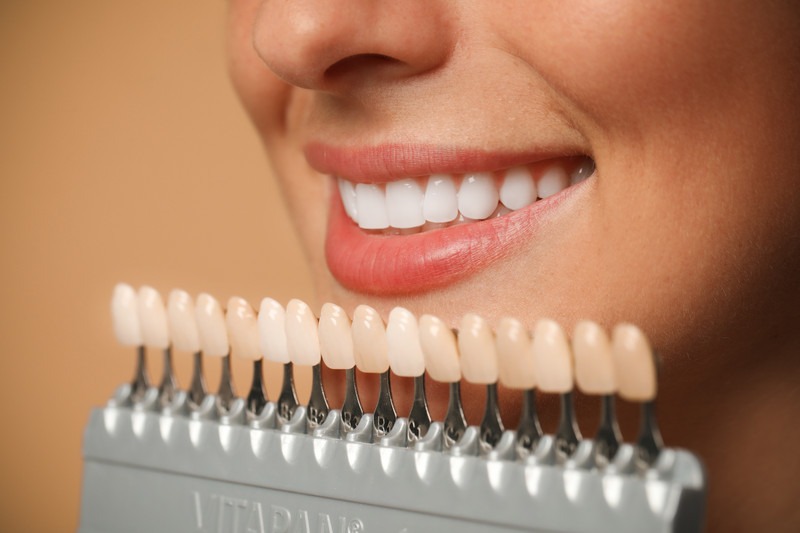
How Many In-Office Whitening Sessions Will I Need?
Many patients need only one in-office teeth-whitening session to achieve a noticeable improvement. The appointment may contain several shorter whitening cycles, with the gel refreshed between cycles.
The number of treatments you need depends on:
- Your starting tooth shade
- The type and depth of the stains
- Your desired shade
- Previous whitening treatments
- Tooth sensitivity
- Age-related discoloration
- Medication-related staining
- Fluorosis or uneven enamel color
Patients with mild yellowing from coffee or aging often respond very well to one appointment. Teeth with dark gray, banded, or medication-related discoloration may require additional treatment or a combination of in-office and take-home whitening.
The objective should be a clean, natural-looking result that complements your face—not an artificial shade that looks out of place.
How Long Does At-Home Teeth Whitening Take?
Dentist-supervised take-home whitening typically produces noticeable results within several days, with fuller results developing over approximately one to two weeks. The exact schedule depends on the type and strength of the whitening gel.
Some trays are worn for 30 to 90 minutes during the day, while other formulas are designed for longer wear or overnight use. Always follow the specific instructions provided for your whitening system. Philips notes that its dentist-supervised Zoom take-home options may be worn from 30 minutes per day to overnight, depending on the formulation.
Over-the-counter teeth-whitening strips often require consistent daily use for around two weeks. Results can vary because the strips may not contact every tooth surface evenly, especially when teeth are rotated, crowded, or differently shaped.
Professional custom trays offer several advantages over generic trays:
- A closer fit around the teeth
- More even distribution of whitening gel
- Less gel leaking onto the gums
- Better control of the amount used
- Reusable trays for future touch-ups
- A treatment plan selected for your individual sensitivity
Can Whitening Remove All Types of Tooth Stains?
No. Teeth whitening is very effective for many common stains, but it cannot remove every type of discoloration.
Whitening tends to work best on:
- Yellowing associated with aging
- Coffee and tea stains
- Red wine stains
- Tobacco discoloration
- Many food-related stains
Results can be less predictable for:
- Gray or blue discoloration
- Tetracycline staining
- Severe fluorosis
- White or brown enamel spots
- A tooth that has darkened after trauma
- A previously root-canal-treated tooth
- Very deep internal discoloration
Yellow and brown stains generally respond more noticeably than gray discoloration. Teeth with bands, spots, fluorosis, or tetracycline staining may whiten unevenly or require additional treatment.
If one tooth is significantly darker than the surrounding teeth, routine external whitening may not be the appropriate first step. Dr. H may recommend an X-ray or additional evaluation to determine whether the tooth has experienced trauma, nerve damage, or another internal change.
Depending on the cause, alternatives may include internal bleaching, cosmetic bonding, porcelain veneers, or a crown.
Can I Whiten Crowns, Veneers, Fillings, or Dental Implants?
Whitening gel changes the shade of natural tooth structure, but it does not whiten porcelain crowns, dental veneers, composite fillings, bonding, bridges, or implant crowns.
You can still whiten your natural teeth if you have restorations, but the restorations will remain their original color. This can sometimes create a shade mismatch, particularly when crowns, veneers, or fillings are located on the front teeth.
If you are considering both whitening and new cosmetic dental work, whitening should usually be completed first. After the tooth color stabilizes, the new crown, veneer, or filling can be matched to the brighter shade.
Existing restorations that look too dark after whitening may need to be replaced if the color difference is noticeable. Dr. H can help you plan the sequence carefully so that your final smile looks balanced and natural.
Which Teeth-Whitening Option Is Right for Me?
The best option depends on your goals, schedule, sensitivity, and the condition of your teeth.
Choose in-office Zoom whitening if you:
- Want the fastest result
- Are preparing for an important event
- Prefer professional supervision
- Want a significant change in one visit
- Do not want to remember daily treatments
Choose custom take-home whitening trays if you:
- Prefer gradual whitening
- Want greater control over your final shade
- Have a consistent daily routine
- Want reusable trays for future touch-ups
- Need a gentler schedule because of sensitivity
Consider a combination approach if you:
- Want a fast initial result
- Want to maintain the shade at home
- Have significant staining
- Regularly drink coffee, tea, or red wine
- Want flexibility for future touch-ups
Over-the-counter products may be reasonable for mild surface staining, but they cannot replace a dental examination. Whitening will not treat cavities, remove tartar, correct gum disease, or change the color of existing restorations.
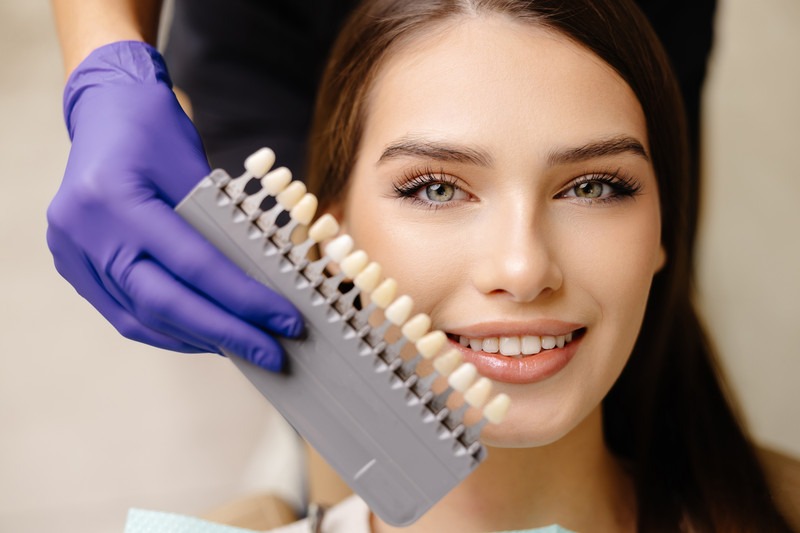
Professional Teeth Whitening in Laguna Hills, California
If you have been searching for “teeth whitening near me,” “Zoom whitening in Laguna Hills,” or a “cosmetic dentist in Orange County,” the first step is a personalized smile evaluation.
At OC Perfect Smile in Laguna Hills, Dr. H helps patients choose between in-office teeth whitening, dentist-supervised take-home whitening, and combination treatment based on their oral health and cosmetic goals. The office welcomes patients from Laguna Hills and surrounding South Orange County communities, including Mission Viejo, Laguna Woods, Aliso Viejo, Lake Forest, Laguna Niguel, and Irvine.
A whitening consultation can answer several important questions:
- Are your teeth healthy enough for whitening?
- What is causing the discoloration?
- Will your crowns, veneers, or fillings match afterward?
- How much improvement can you realistically expect?
- Which option will work best with your sensitivity and schedule?
There is no single whitening method that is best for every person. The best treatment is the one that safely produces a natural, even result and fits comfortably into your life.
Contact OC Perfect Smile in Laguna Hills to schedule a professional teeth-whitening consultation with Dr. H and discover the safest, most effective way to brighten your smile.