
In recent years, digital dental implants have transformed the landscape of restorative dentistry, offering innovative solutions that enhance the precision and efficiency of implant procedures. As technology continues to advance, digital implant technology in dentistry is becoming increasingly popular among both practitioners and patients. Let’s explore the key features and benefits of digital dental implants, the role of 3D guided dental implants, and how this technology is shaping modern implant dentistry.

Digital Dental Implants
Digital dental implants refer to the use of advanced digital technology in the planning and placement of dental implants. This approach enhances the accuracy of the procedure, allowing for better outcomes and improved patient satisfaction. By integrating computer-aided design (CAD) and computer-aided manufacturing (CAM) technologies, dentists can achieve a precise fit for implants that mimics the natural tooth structure.
3D Guided Dental Implants
3D guided dental implants utilize three-dimensional imaging to provide a comprehensive view of the patient’s oral anatomy. This technology allows for meticulous planning and placement of implants, ensuring that they are positioned optimally within the jawbone. By using 3D models created from digital scans, dentists can visualize the ideal placement of implants, minimizing the risk of complications and enhancing the overall success rate of the procedure.
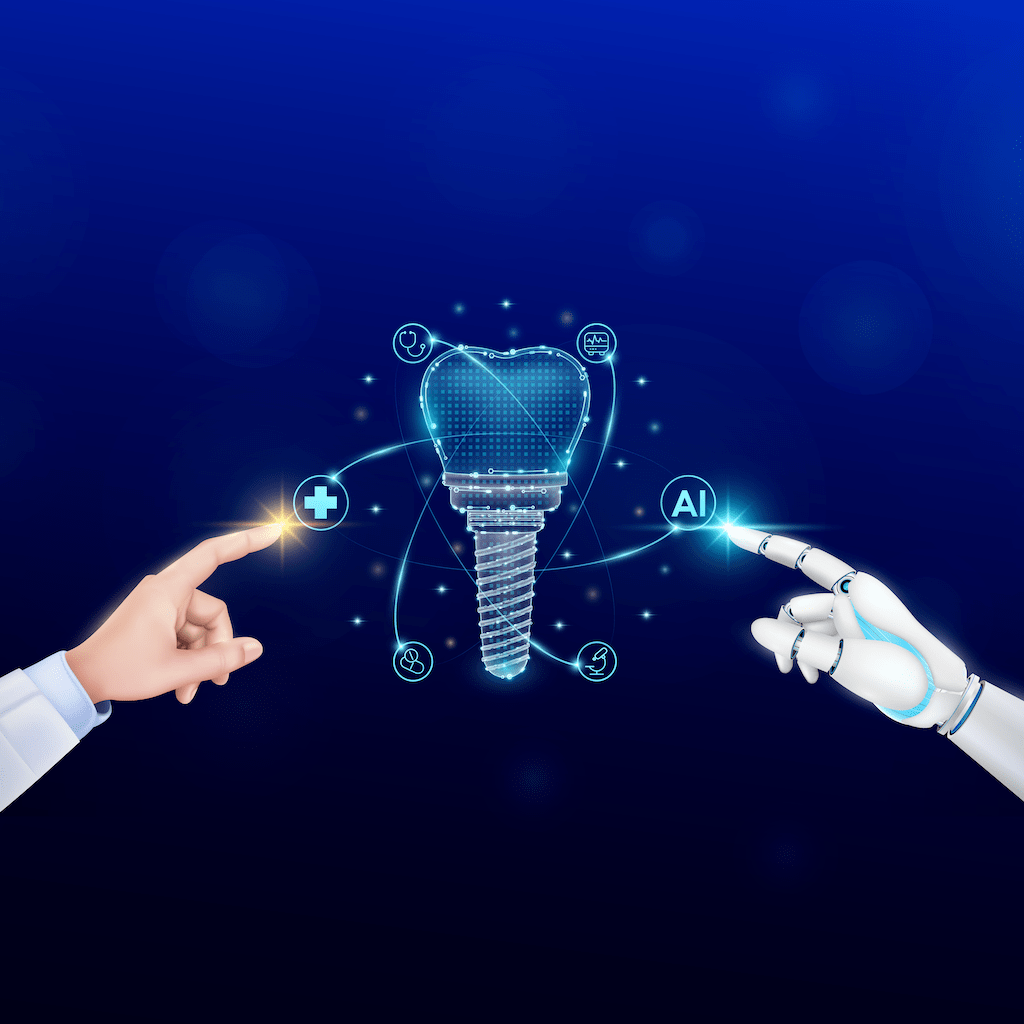
Digital Implant Technology
Digital implant technology encompasses various tools and techniques that streamline the implant process. This includes digital implant planning, where dentists can create a detailed treatment plan using software that integrates patient-specific data. The use of digital technology not only improves accuracy but also reduces the time required for the procedure, making it more efficient for both patients and practitioners.
Computer-Guided Implant Surgery
Computer-guided implant surgery is a significant advancement in implantology that relies on digital imaging and planning. By using a surgical guide generated from the digital implant planning process, dentists can precisely place implants according to the predetermined plan. This minimizes the need for invasive procedures and reduces the healing time, leading to a more comfortable experience for patients.
Digital Implant Planning
Digital implant planning involves the use of sophisticated software to assess the patient’s anatomical structure and develop a customized treatment plan. This process considers factors such as bone density, available space, and the position of adjacent teeth, allowing for a tailored approach to each individual case. The result is a highly accurate placement of implants that enhances the likelihood of success.
Dental Implant Scanning
Dental implant scanning is a crucial component of the digital implant process. Using advanced scanning technology, dentists can capture detailed images of the patient’s mouth, which are then used to create 3D models. These models facilitate more accurate planning and placement of implants, ensuring that each step of the procedure is executed with precision.
CBCT for Dental Implants
Cone Beam Computed Tomography (CBCT) is a specialized imaging technique that provides dentists with high-resolution 3D images of the patient’s jaw and surrounding structures. This detailed imaging is invaluable for planning dental implant surgeries, as it helps identify potential issues such as inadequate bone density or proximity to vital anatomical structures.
Same-Day Digital Implants
One of the most exciting developments in digital implant technology is the availability of same-day digital implants. This approach allows patients to receive their implants and, in some cases, even temporary teeth, in a single visit. This innovation not only saves time but also enhances patient convenience and satisfaction.
Precision Dental Implants
The precision offered by digital implants is one of their greatest advantages. By utilizing advanced imaging and planning techniques, dentists can achieve a level of accuracy that significantly improves the overall success of the procedure. This precision minimizes complications, reduces the risk of implant failure, and ensures a better aesthetic outcome.
In summary, digital dental implants represent a significant leap forward in modern implant dentistry. With benefits such as enhanced accuracy, reduced procedure times, and improved patient experiences, digital implant technology is setting new standards for dental care. For anyone considering dental implants, embracing this technology can lead to a more successful and satisfying treatment process.